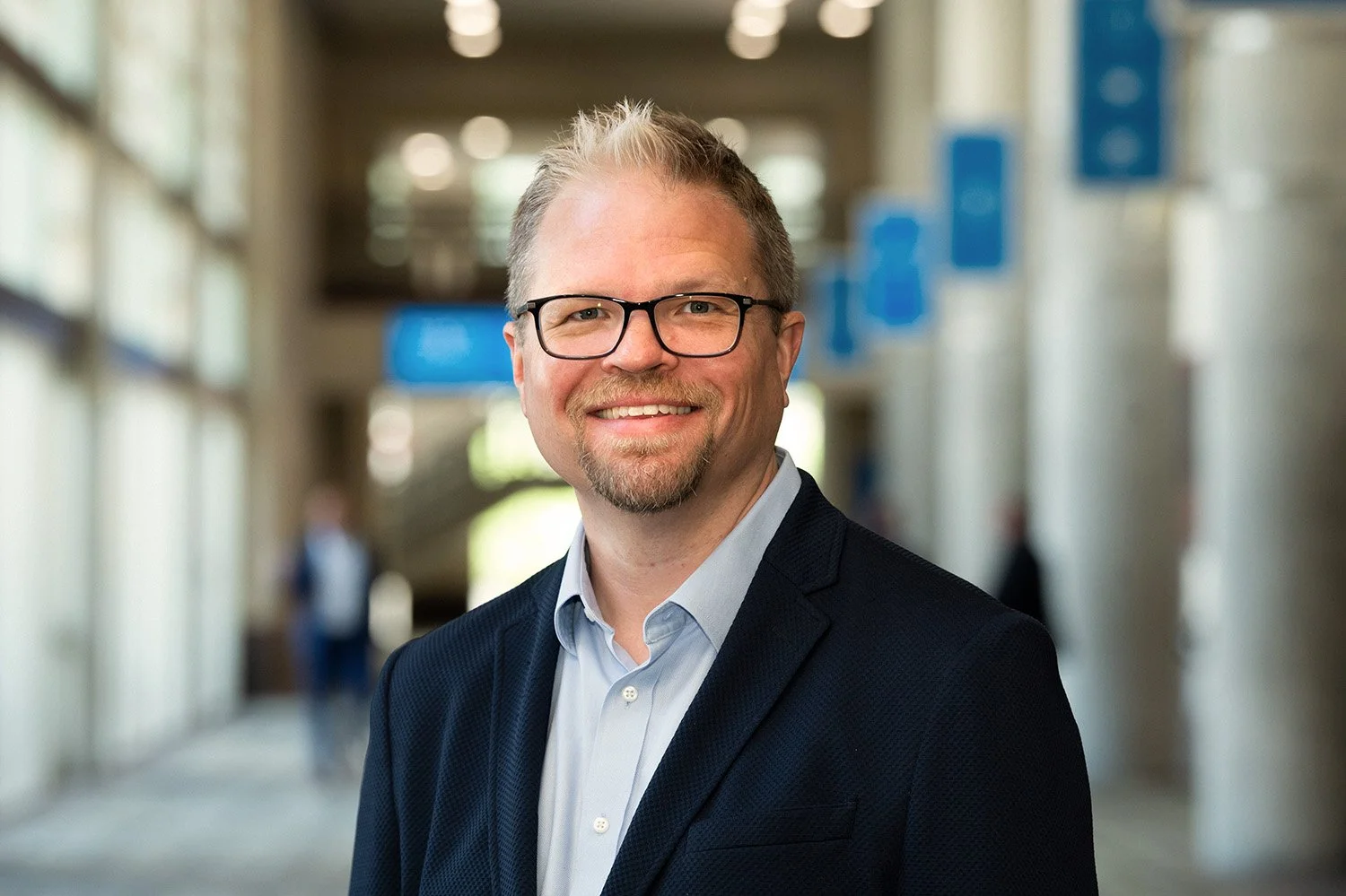
Thoughts from DPC Summit 2026
We just returned from the DPC Summit. This event was in New Orleans. More than 500 doctors gathered to network and learn. Our goal was to support one another as we build and grow our little practices.
I had three big takeaways from the Summit this year.
One: The movement is growing, but it’s still tiny.
This year was the biggest Summit ever, with more than 500 doctors participating. At the beginning of the conference, the organizers asked people to raise their hands if this was their first time attending. About half the room raised their hands. Most of them are in the early stages of building their practices. They are either just getting started with a few patients, or haven’t even opened. Many of these attendees were medical students or residents who are looking for ways to practice medicine independently.
Yet even with this growth, this is a teensy number of doctors compared to the number of primary care doctors across the country. There are more than 340,000 primary care doctors currently practicing in the US. The number of PCPs in St. Louis alone is more than the entire attendance of the DPC Summit. So while the movement is gaining traction, it’s still a wee overall number of doctors. (I’m running out of adjectives to use that mean “really small.”)
From the point of view of a doctor running this style of practice, this is great. We have barely any competition. Less than 1% of PCPs are in DPC practices. But much more than 1% of the population is unhappy with their current primary care situation. DPC doctors can and should work closely together and not fear competition. There’s plenty of work to go around.
From the point of view of a patient looking for a DPC doctor, the news is not so rosy. It’s hard to find a DPC doctor that’s taking patients. Patients who are looking for this model of care should be vocal in what they are seeking, so that doctors (who don’t like taking risk very much, especially in business) have the courage to leave corporate medicine and start independent DPC practices.
Two: DPC doctors are obsessed with employer arrangements, and I’m not sure why.
There were numerous panels and discussion groups on how to appeal to employer groups, and few solutions. Nobody seems to have cracked this nut. Few practices are really thriving thanks to employer deals. The successful DPC practices just have lots of individual patients who have signed up.
It seems like DPC doctors mostly want to work with employers because they imagine employers are an easy source of big chunks of patients. When a DPC practice is getting started, cash flow is tight. It takes a while to generate enough patients to break even, let alone become profitable. The promise of getting 20 or 30 patients all at once from an employer is enticing.
But employers don’t know how to work with small individual providers like DPCs. And truthfully, most of us DPC doctors don’t know how to work with employers, either. Figuring out individual contracts and payments with employers is pretty hard. And the employer sales cycle is long — years long. By the time you sign one employer deal, your panel will be full. Then what?
Employers also often demand quality metrics to prove a return on investment. The trouble with that is that when an employer only has 20 patients signed up for DPC, there’s simply not enough statistical power to prove anything at all. It only takes one sick patient to blow up the medical cost for an entire group. Further, providing those quality metrics leads to incessant box-checking and making patients fill out forms so that some report can be completed. This is the opposite of the personalized approach that we want in primary care.
Still, many DPC doctors do want those employer groups. I think I’ve given up on this. My practice is doing fine without employer groups, and I’m okay with that.
Three: Now that I’ve seen and heard from a lot of practices, I think there are two flavors of DPC practices — those that are more “pure” DPC practices, and those that lean concierge.
Pure DPC practices are really focused on bread and butter primary care, and their practices feel that way. The conditions they treat are “normal” primary care type things like diabetes and high blood pressure and depression. While the care is personalized (I assume), they don’t offer truly bespoke care. Their boundaries are tight. They don’t stray far outside the lines of traditional practice, and they don’t answer calls after hours. These practices tend to have lower price points, and larger panels.
Concierge style practices seem to treat patients that are looking for more than standard primary care. Maybe it’s longevity medicine, or functional health, or menopause. The panels tend to be smaller, and the prices a little higher. Along with that higher price point comes more access. Patients expect to be able to reach their doctors in expanded hours, and ask more detailed and esoteric questions. The doctors in these practices seem okay with that.
I think there’s a lot of misunderstanding between these two types of practice. I heard some heated debates between what constitutes appropriate boundaries between doctor and patient. Some doctors are adamant that if a patient has a question after 5 pm, they can just wait until the next day. And others are baffled by this — why would their patient put up with paying extra so that they wouldn’t be able to ask a question in the evening?
But at the root of the misunderstanding is, I think, a simple difference in practice styles. Some docs prefer practicing one way, and some prefer the other. I don’t think there’s a right or wrong answer here.
My guess is that the pure DPC docs tended to be earlier adopters of the DPC model, and also that they tend to be more rural. Those of us in a more concierge style practice (I think I’m one of these people) have come later to the DPC world, and we tend to congregate in cities. I don’t really have evidence for this other than my own observation, but I feel like it might be true.
And I think there are plenty of patients that can fill both types of practice.
All in all, I love going to conferences because it gives me time and space to think about things that I’m immersed in every day. Having conversations with other people really helps me think in different ways. Next year’s summit is in Kansas City, and I’m already looking forward to it. If you’re a doc thinking about DPC, maybe I’ll see you there!